WoRMS taxon details
Bryozoa
Ectoprocta · unaccepted (synonym)
- Class Gymnolaemata
- Class Stenolaemata
marine, brackish, fresh, terrestrial
recent + fossil
Not documented
WoRMS (2024). Bryozoa. Accessed at: https://www.marinespecies.org/aphia.php?p=taxdetails&id=146142 on 2024-09-24
 The webpage text is licensed under a Creative Commons Attribution 4.0 License
context source (Hexacorallia)
Fautin, Daphne G. (2013). Hexacorallians of the World. (look up in IMIS) [details]
basis of record Margulis, L.; Schwartz, K.V. (1998). Five Kingdoms: an illustrated guide to the Phyla of life on earth. 3rd edition. Freeman: New York, NY (USA). ISBN 0-7167-3027-8. xx, 520 pp. (look up in IMIS) [details]
additional source Integrated Taxonomic Information System (ITIS). , available online at http://www.itis.gov [details]
additional source Clarke, Andrew; Johnston, Nadine M. (2003). Antarctic marine benthic diversity. <em>Oceanography and Marine Biology: an Annual Review.</em> 41: 47-114. (look up in IMIS) [details] Available for editors [request]
additional source Hayward, P.J. & J.S. Ryland (Eds.). (1990). The marine fauna of the British Isles and North-West Europe: 1. Introduction and protozoans to arthropods. <em>Clarendon Press: Oxford, UK.</em> 627 pp. (look up in IMIS) [details] Available for editors [request]
basis of record Margulis, L.; Schwartz, K.V. (1998). Five Kingdoms: an illustrated guide to the Phyla of life on earth. 3rd edition. Freeman: New York, NY (USA). ISBN 0-7167-3027-8. xx, 520 pp. (look up in IMIS) [details]
additional source Integrated Taxonomic Information System (ITIS). , available online at http://www.itis.gov [details]
additional source Clarke, Andrew; Johnston, Nadine M. (2003). Antarctic marine benthic diversity. <em>Oceanography and Marine Biology: an Annual Review.</em> 41: 47-114. (look up in IMIS) [details] Available for editors
[request] additional source Hayward, P.J. & J.S. Ryland (Eds.). (1990). The marine fauna of the British Isles and North-West Europe: 1. Introduction and protozoans to arthropods. <em>Clarendon Press: Oxford, UK.</em> 627 pp. (look up in IMIS) [details] Available for editors
[request]  Present Inaccurate Introduced: alien Containing type locality

| Language | Name | |
|---|---|---|
| Dutch | mosdiertjes | [details] |
| English | sea matsmoss animalslace coralslace animalsbryozoans | [details] |
| German | MoostiereMoostierchenBryozoen | [details] |
| Japanese | 苔虫動物門外肛動物/苔虫動物門 [from synonym] | [details] |
| Swedish | mossdjur | [details] |
Atlas of Antarctic Bryozoa
To Biological Information System for Marine Life (BISMaL)
To Biological Information System for Marine Life (BISMaL) (from synonym Ectoprocta)
To European Nucleotide Archive, ENA (Bryozoa)
To Genbank
To Genbank (from synonym Ectoprocta)
To The Arctic Traits Database (9 traits)
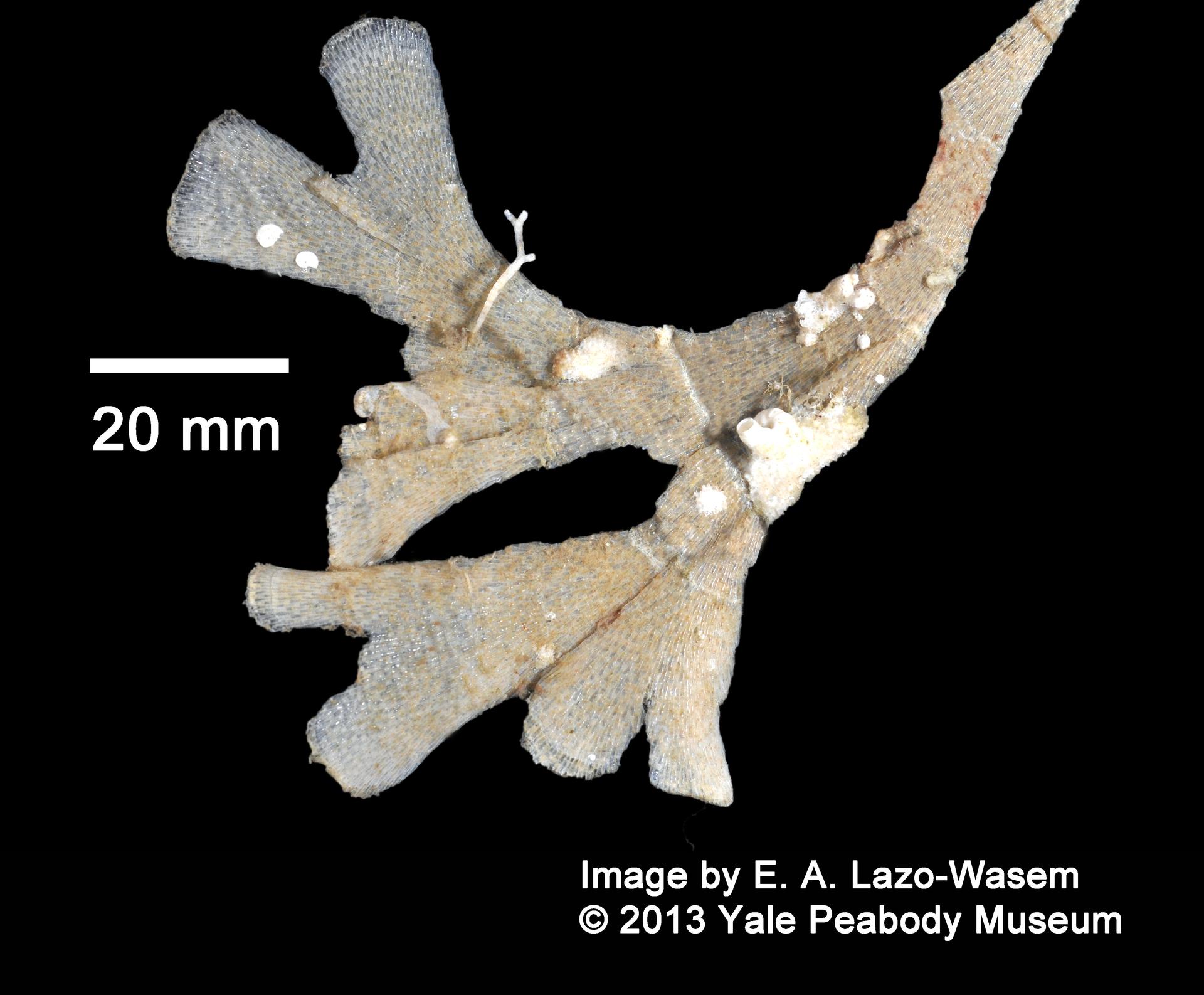
To Yale Peabody Museum of Natural History (YPM IZ 060835)
To ITIS
To Biological Information System for Marine Life (BISMaL)
To Biological Information System for Marine Life (BISMaL) (from synonym Ectoprocta)
To European Nucleotide Archive, ENA (Bryozoa)
To Genbank
To Genbank (from synonym Ectoprocta)
To The Arctic Traits Database (9 traits)
To Yale Peabody Museum of Natural History (YPM IZ 060835)
To ITIS